The last full day. I woke up early, around 7:00, and could not fall back asleep. I did some work and then went straight into my regular physio routine. This time, I finished everything. Flexion included. No shortcuts. Ice afterward. That alone made me feel ready to face the day.
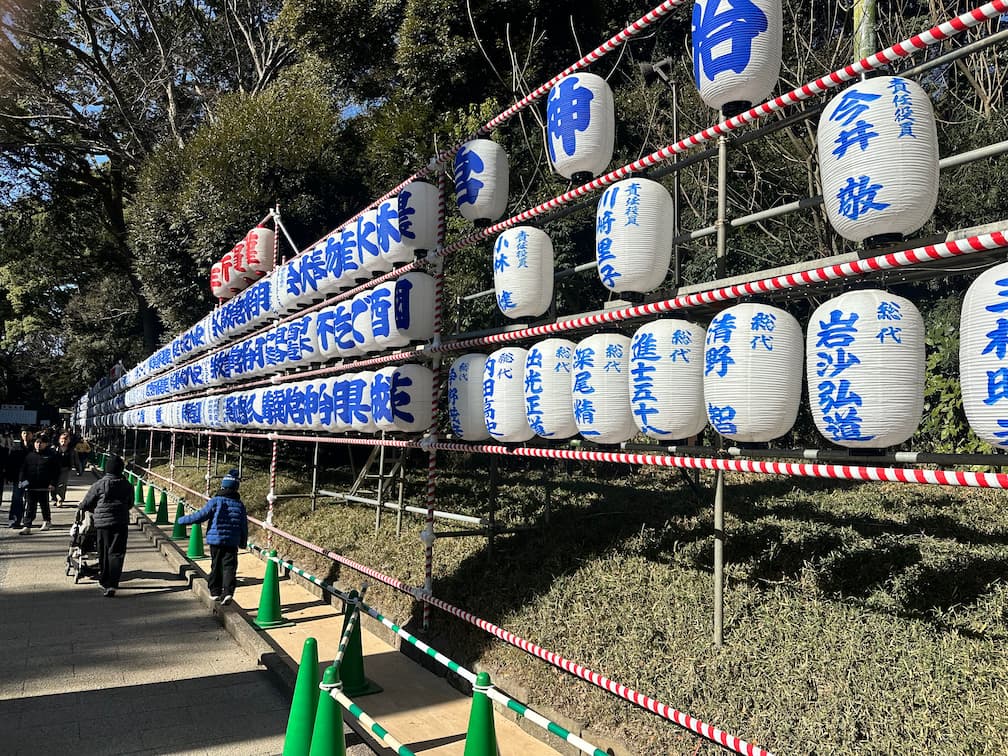
Originally, I wanted to keep things slow. We took the kids to Meiji Jingu Shrine, built to honor Emperor Meiji, the man who connected an isolated Japan with the rest of the world. He opened the country to education, foreigners, imports, and religious coexistence. A powerful symbol to visit on the last day.
I hoped for a calm walk, but crowds had other plans. We adjusted quickly, moved into the quieter gardens, used disability-access express lanes, and did a brief visit to the main hall. Controlled, respectful, and efficient.
From there, the day shifted gears. Harajuku. Food, shopping, drinks. A lot of walking, trying on clothes, standing, searching for places to sit and not finding many. I pushed my knee hard today. I could feel it, but I also accepted it. Sometimes you knowingly spend from tomorrow’s energy.
By the end, we took a taxi to Shinjuku for the final stretch. Last electronics shopping, one more delicious dinner, and to top it off, Donki. The cherry on top. Especially after finishing a full bottle of sake.
Home late. Ice packing chaos. Bags everywhere. Body exhausted. Mind full. I finally fell asleep around 2:30 a.m.
Not the most disciplined day. But a very human one.
Key Takeaways
- Completing the full physio routine brings mental calm
- Crowds require constant adaptation and decision-making
- Long walking days still exceed knee tolerance
- Knowing when you are overloading helps process the cost
- Celebration and excess have a price, but also meaning
- Closure does not need to be perfect to be complete