01 Swelling Control After ACL Surgery
These are the swelling control habits that helped me the most after ACL and meniscus surgery: elevation, ice, compression, gentle movement, and smart walking. Not medical advice, just what worked in my recovery.

Elevation: Above the Heart
- 01. Keep the knee above heart level so gravity can help drain fluid.
- 02. Support under the calf and ankle, not directly under the knee.
- 03. Use 20 to 30 minutes, multiple times a day, especially after walking.
Learn details from my Timeline or browse my Exercises for gentle movement ideas.
02 Recovery Equipment for ACL & Meniscus Surgery
One of the most common questions after ACL or meniscus surgery is: what gear actually helps recovery? These are the tools I personally used to control swelling, manage pain, activate muscles, and stay consistent during rehab.
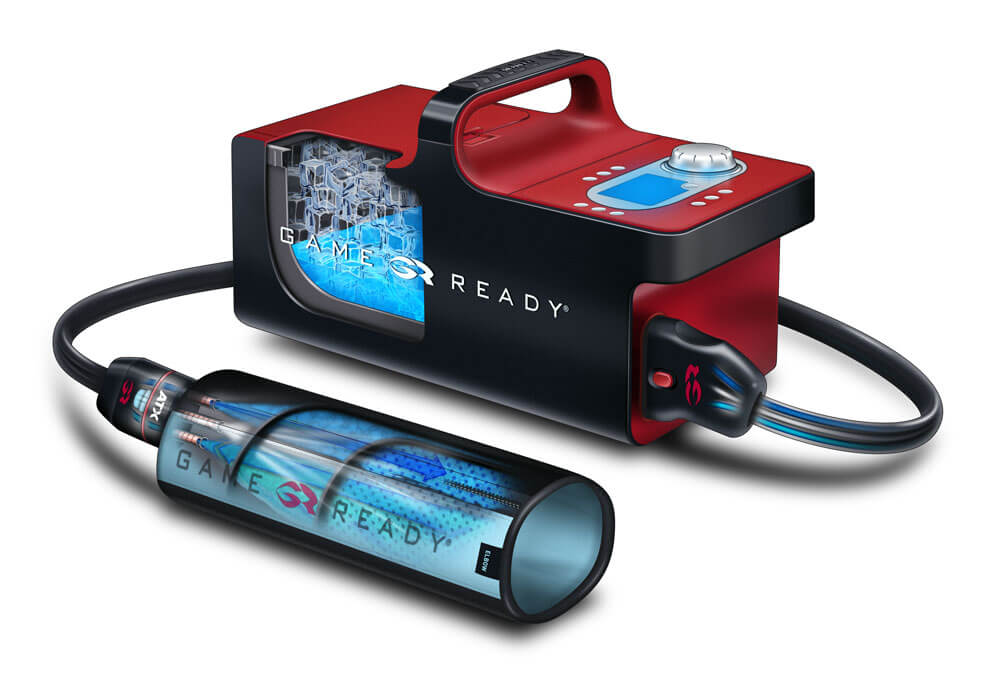
Ice Machines
Continuous cold therapy was a game changer in my first weeks after ACL and meniscus surgery. I used a Game Ready system, and it made a real difference when icing was frequent and swelling control mattered most.
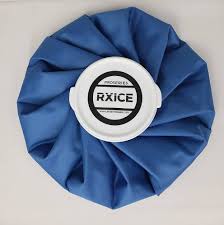
Ice Bag
A simple refillable ice bag with straps where you add real ice. I preferred this over gel packs because it stays colder longer and was more effective when swelling needed to come down fast.
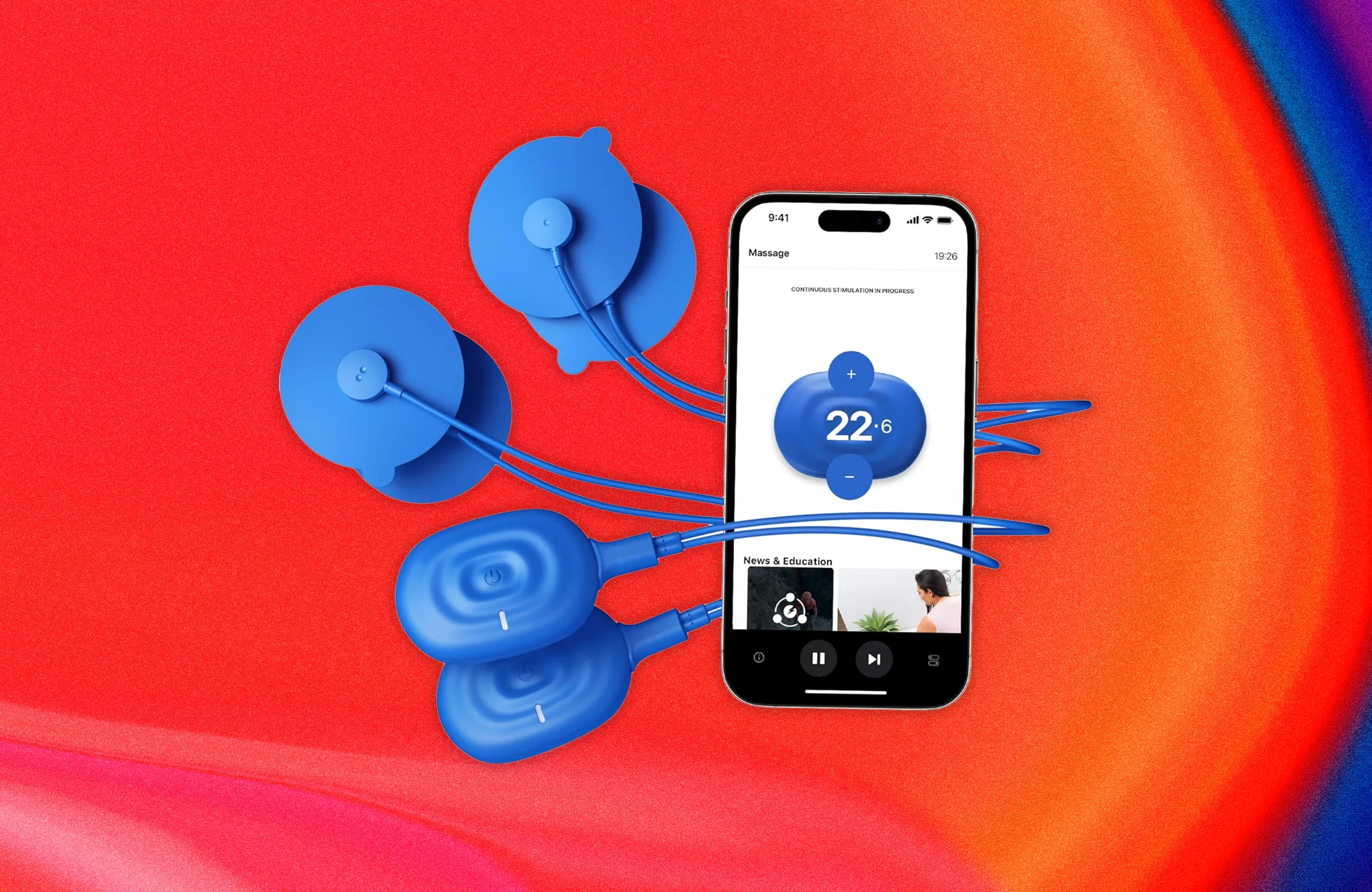
Therabody PowerDot
NMES technology that helped prevent muscle atrophy and wake up the quad when it stopped firing. There are many devices like this; I used PowerDot because it was simple and easy to use during early rehab.
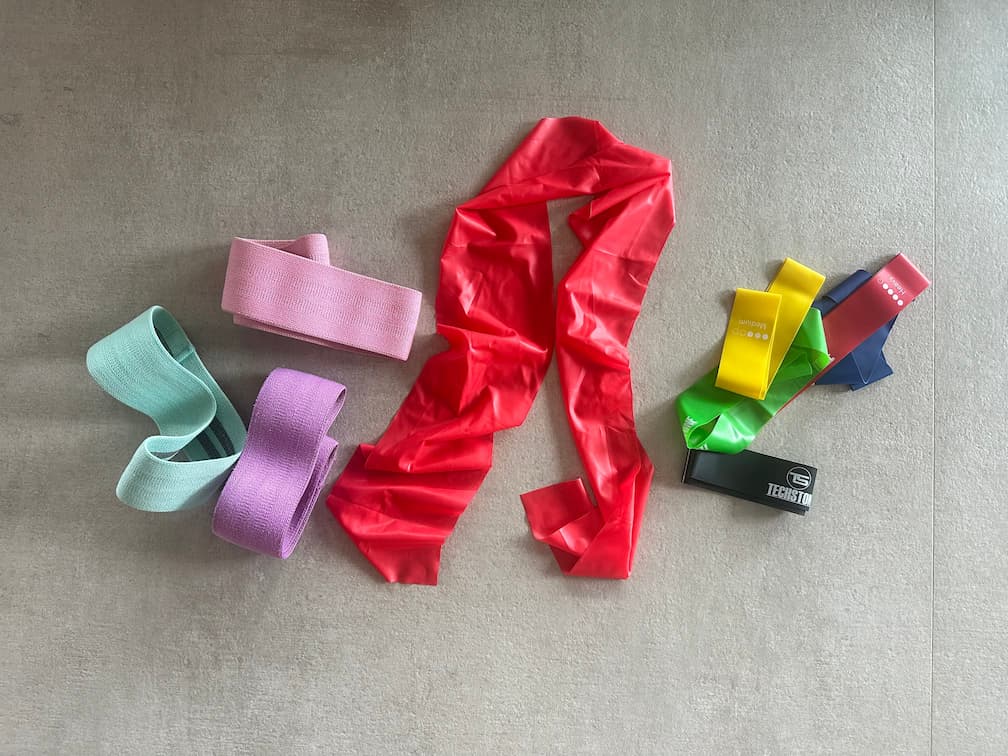
Resistance Bands
Essential for early-stage strength work, quad activation, and terminal knee extension. I used these almost daily, and higher-quality bands made a noticeable difference in control and comfort.
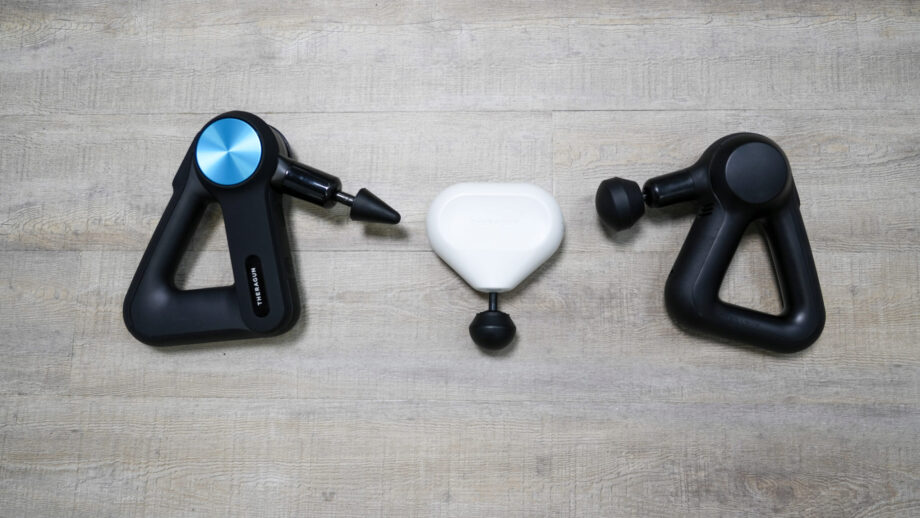
Therabody Massage Gun
Extremely helpful for tight hamstrings, calves, and quads during recovery. On days without physio, this helped me release tension in the operated leg and stay consistent.
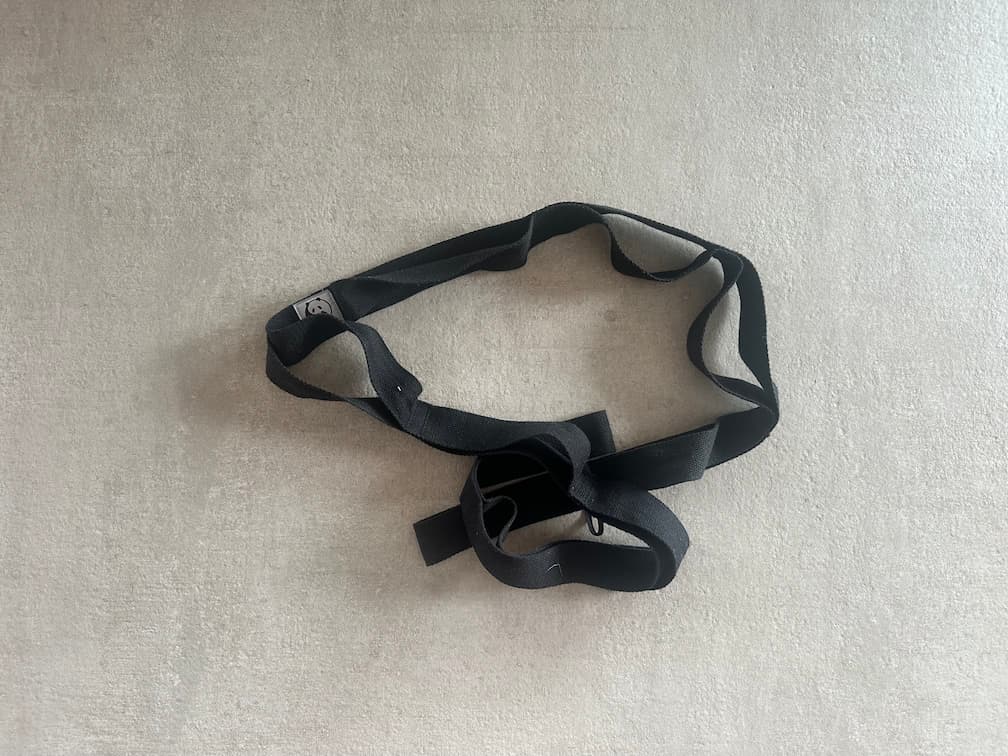
Yoga Stretching Strap
A simple non-elastic strap for passive knee extension and flexion at home. Later in recovery, I also used it to stretch the rest of my body and regain mobility.
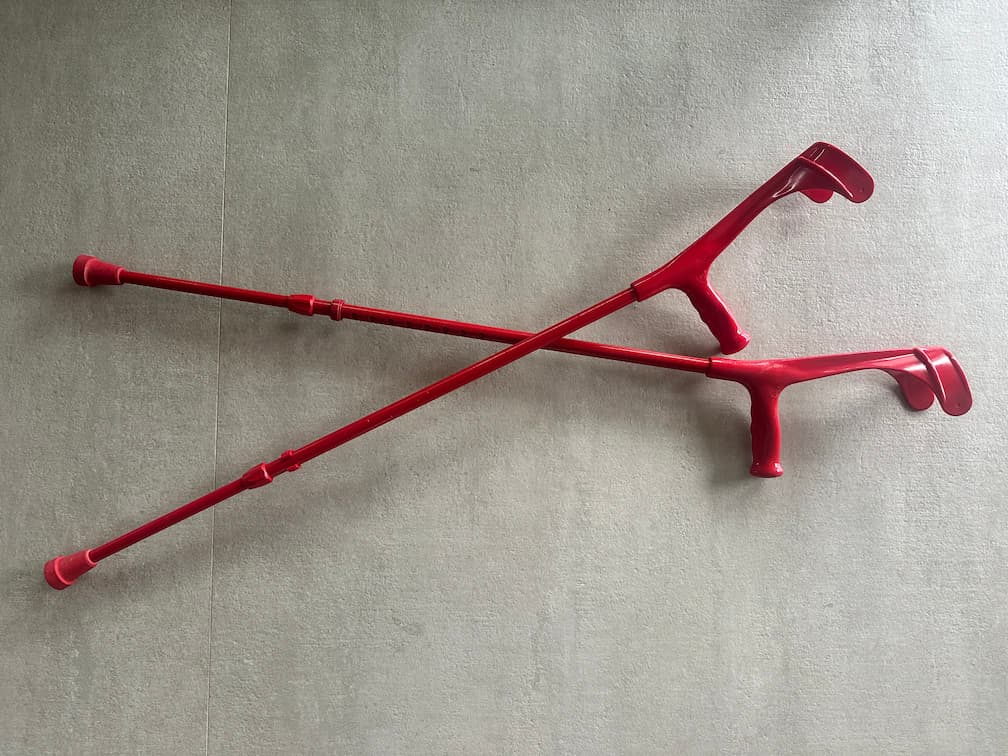
Forearm Crutches
More stable and ergonomic than standard under-arm crutches. I used them daily for about eight weeks, so investing in comfortable, high-quality ones made a big difference.
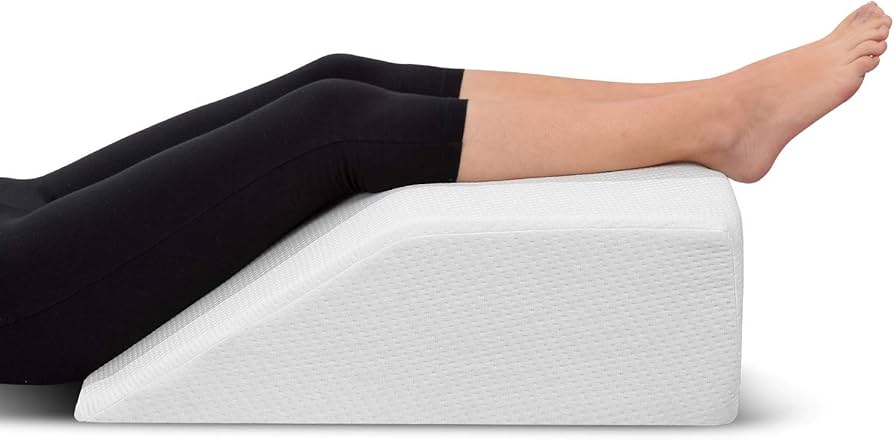
Elevation Pillow
A specially shaped pillow that elevates the leg properly while protecting knee extension. Regular pillows worked at first, but this made elevation easier and more consistent.
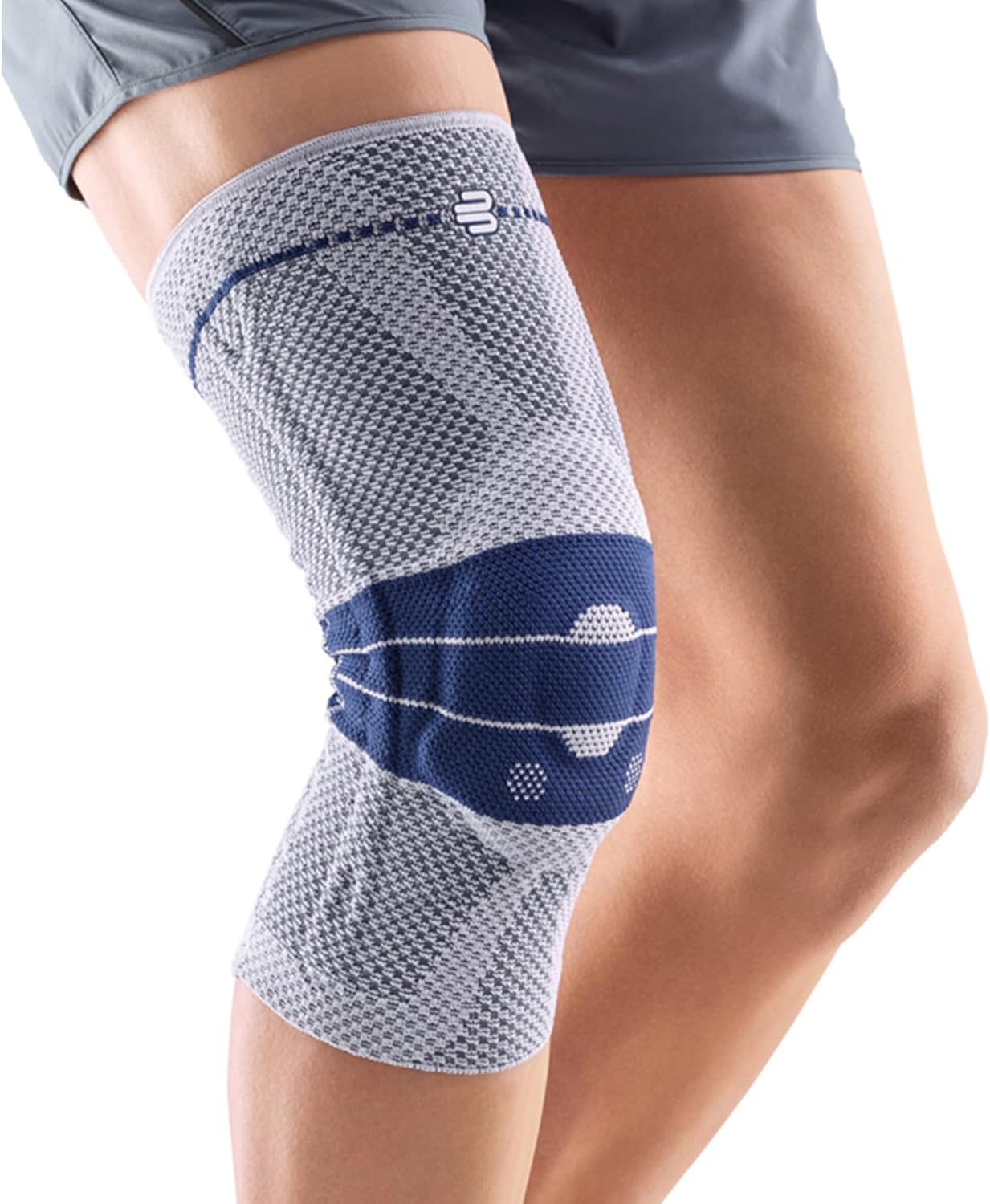
Compression Brace
Helps with proprioception and provides confidence during early outdoor walks. I did not use it daily, but it was extremely useful for travel, longer walks, or extended activity days.
As an Amazon Associate, I earn from qualifying purchases.
03 Traveling After ACL & Meniscus Surgery
Traveling after ACL reconstruction or meniscus surgery requires planning. Flights, long car rides, and sightseeing all increase swelling and DVT risk if you are not prepared. This is the exact strategy I used to travel safely while protecting my knee.
The 6-Week Rule for Flying
Surgeons generally recommend waiting around 6 weeks before long-haul flights after ACL or meniscus surgery to reduce the risk of DVT (blood clots). In my case, I was on the move earlier than that: at 2 weeks post-op I did a short car trip (about 2 hours); at week 4 I took two long-haul flights back-to-back; and between weeks 4 and 8 I was traveling continuously, sightseeing and walking a lot. None of this was done casually. Every trip was cleared by my doctor, I used prescribed blood thinners, wore compression socks, moved frequently, and monitored swelling closely. I track how my knee reacted to travel days in my recovery timeline.
Air Travel Tips
- 1 Seat Choice: Book a bulkhead or aisle seat so you can fully extend the operated leg during the flight.
- 2 Elevation: Use a carry-on bag or inflatable pillow under your foot to reduce swelling.
- 3 Wheelchair Service: Essential. Save your knee for the destination, not airport terminals.
Car Travel Tips
- 1 Position: Sit in the back seat and stretch the operated leg across the seat to avoid knee flexion.
- 2 Frequency: Stop every 45-60 minutes to walk briefly and perform ankle pumps.
- 3 Ice: Pack ice packs or a cooler so swelling can be addressed immediately on arrival.
Sightseeing, Walking & Pacing
Support
Wear a compression brace for uneven ground and long walks. It adds proprioception and confidence when the knee is fatigued. I list the braces I used in the equipment section.
Hydration
Travel increases inflammation. Drink significantly more water than usual and limit salt to prevent fluid buildup in the knee joint.
The Stop Rule
If the knee starts to throb or feel heavy and full, your day is done. Ignoring this signal often leads to 24-48 hours of swelling setback.
04 ACL & Meniscus Recovery Do vs Don't
If you are wondering what to do and what to avoid after ACL reconstruction or meniscus surgery, this is the short version. These are the habits that protected my knee, reduced swelling, and kept progress moving forward without setbacks.
The Do's
- ✓ Do protect extension from day one. Everything builds on full knee extension.
- ✓ Do treat swelling control as a daily discipline, not an occasional fix.
- ✓ Do move often, even on rest days. Circulation supports recovery.
- ✓ Do respect fatigue, physical and mental. Rehab progress depends on recovery.
- ✓ Do track small metrics: range of motion, control, swelling, and confidence.
- ✓ Do plan recovery with the same intention you would plan training.
- ✓ Do stay consistent. Boring rehab done daily beats heroic effort once a week.
The Don'ts
- ✕ Don't put a pillow directly under the knee. It keeps the knee bent and can kill extension.
- ✕ Don't chase pain-free days as proof you are ready for more load.
- ✕ Don't ignore swelling. After ACL and meniscus surgery, swelling is often a better warning sign than pain.
- ✕ Don't stack hard days (walking, travel, training) without a recovery buffer.
- ✕ Don't rush flexion at the expense of extension. Extension is the foundation.
- ✕ Don't skip basics because they feel too easy. The basics are what rebuild function.
- ✕ Don't assume pushing harder always speeds things up. Overdoing it often creates setbacks.