This trip was never going to be easy. Traveling across continents, changing cities constantly, walking through crowds, standing for long hours, sleeping badly, drinking more than planned, skipping routines, improvising recovery in hotel rooms and airport lounges. On paper, it looks like the opposite of what a “good recovery environment” should be.
And yet, this journey taught me more about recovery than any perfectly controlled week at home could have.
The first lesson was simple and uncomfortable: recovery is not fragile, but it is honest. My knee did not break because I traveled. It did not regress because I walked too much one day. Instead, it reacted clearly and consistently. When I respected it, it calmed down. When I pushed too far, it swelled. No drama, no mystery. Just cause and effect.
The second lesson was about discipline versus rigidity. I skipped physio sessions. I drank alcohol. I slept badly. I walked too much. And still, progress continued. Not because those choices were good, but because I kept returning to the basics. Ice, elevation, activation, extension, flexion, patience. Recovery did not demand perfection. It demanded return. Every time I came back to the fundamentals, the knee responded.
Travel forced me to confront a hard truth: my biggest limiter right now is not pain, it is fatigue and swelling. Pain stayed remarkably stable. Swelling became the real signal. That changed how I listen to my body. Pain tells me if something is wrong. Swelling tells me if I am doing too much. That distinction matters.
There was also a deeper, less physical lesson. Being on crutches, in wheelchairs, navigating crowds, needing seats, needing help, watching my kids and wife adapt around me. It stripped away a layer of ego I did not realize I still carried. Independence is not binary. Strength is not always pushing forward. Sometimes it is knowing when to step aside, sit down, or let someone else push.
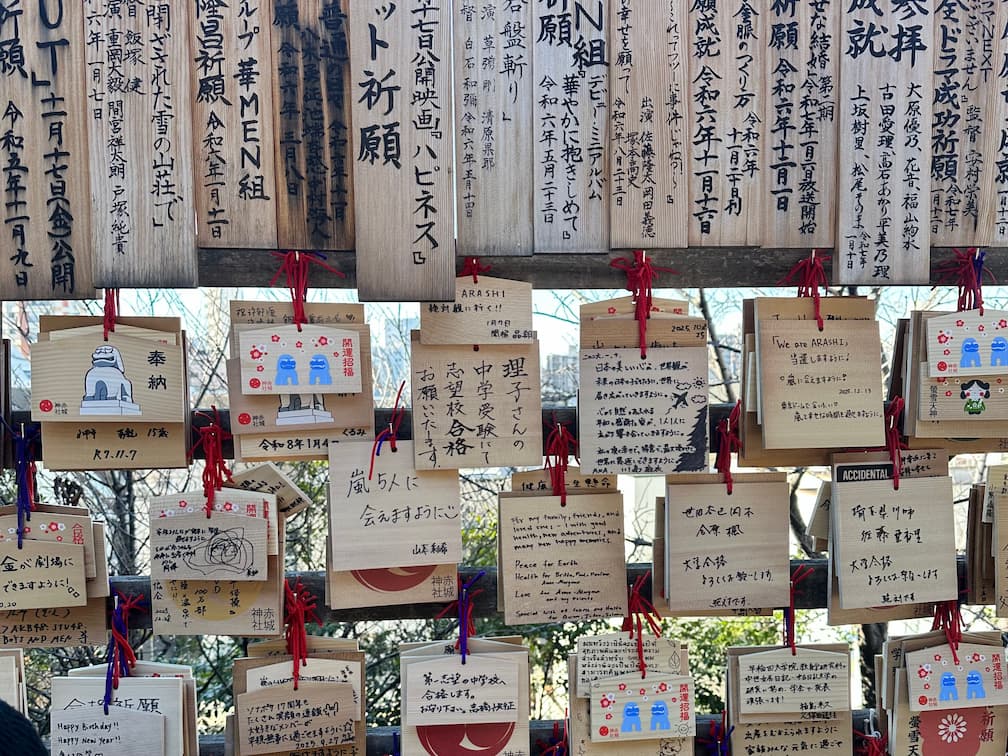
Japan amplified this lesson beautifully. Its culture of balance, respect, and quiet discipline mirrored exactly what recovery asks for. Not force. Not impatience. Balance. Attention. Gratitude. The idea that struggle is not something to fight aggressively, but something to understand and work with.
One thing surprised me the most: movement helped me heal emotionally, even when it challenged me physically. Walking again. Cycling fully. Standing on my own. Using one crutch. These moments rebuilt confidence faster than any metric. They reminded me that recovery is not about returning to who I was before, but about trusting who I am becoming during the process.
This trip also clarified something important going forward. At home, I need to be more intentional about rest as a strategy, not a reward. The days when I rested properly, swelling dropped, movement improved, and confidence returned. That is not coincidence. That is the system working.
I am coming back tired, swollen, and very aware of my limits. But I am also coming back stronger, calmer, and clearer. I did not lose progress on this trip. I stress-tested it.
And it held.
That, more than anything, gives me confidence for what comes next.
Key Takeaways
- Recovery is not fragile, but it is honest: the knee responds clearly to load, rest, and care without drama
- Discipline matters more than perfection: returning to fundamentals consistently outweighs missed sessions or imperfect days
- Swelling is a more reliable signal than pain: pain indicates risk, swelling indicates overload
- Fatigue, not pain, is the main limiter during this phase of recovery
- Movement rebuilds confidence faster than metrics or timelines
- Rest must be treated as a strategy, not a reward
- Recovery tolerates stress when fundamentals are respected
- Letting others help is not weakness; it is part of resilience
- Travel stress-tested recovery without breaking it
- Progress held under imperfect conditions, confirming readiness for the next phase