Another early morning.
Woke up several times during the night - four bathroom trips in total. I’m not sure if it’s related to surgery or just the amount of water I’m drinking, but it’s annoying and definitely not helping sleep quality.
I worked more today. Focus is slowly coming back. Pain is lower. There’s progress, not dramatic, but noticeable.
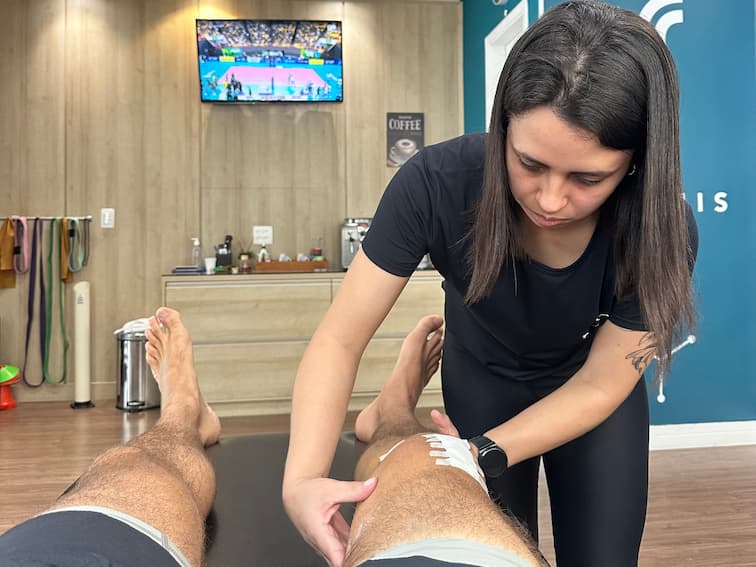
I went to physio. That’s where reality hit a bit harder. He told me it will likely take at least nine months before I can return to tennis.
Nine. Wasn’t it supposed to be six?
He reassured me that time passes faster than it feels right now, but still, hearing it out loud changes something mentally. You can prepare all you want, but the timeline always lands heavier than expected.
The session itself was good. Electrostimulation, exercises, tissue release, stretching. They also started working around the scars. Apparently, this is very important for long-term mobility and tissue quality. It was uncomfortable, but it made sense.
I added scar work to my daily routine.
Every time I leave physio, I feel better, looser, calmer, more optimistic. Both physically and mentally. It’s becoming clear that these sessions are a key anchor in this process. I think I should be doing them more often.
Recovery is slow, but direction matters more than speed right now.
Key Takeaways
- Sleep disruption adds hidden fatigue to recovery
- Improved pain control allows better work focus
- Recovery timelines often extend beyond initial expectations
- Hearing long timelines is mentally harder than reading them
- Physio sessions provide both physical relief and emotional grounding
- Scar work is essential for long-term mobility and tissue health
- Leaving physio feeling better reinforces trust in the process
- Direction matters more than speed at this stage