Today was one of those up and down days.
I woke up feeling slightly better and tried some flexion, sitting on my heels, or at least trying to. There was a sense of guilt lingering after the weekend, like I hadn’t done enough. The knee felt fuller. That familiar fear crept in: did I regress?
I went to the office. Walking felt lighter. No pain. Stairs were fine. For a moment, things actually felt good.
Later, I drove home, almost one hour in the car. Getting out of the car was noticeably easier than before. That’s progress, even if it’s subtle.
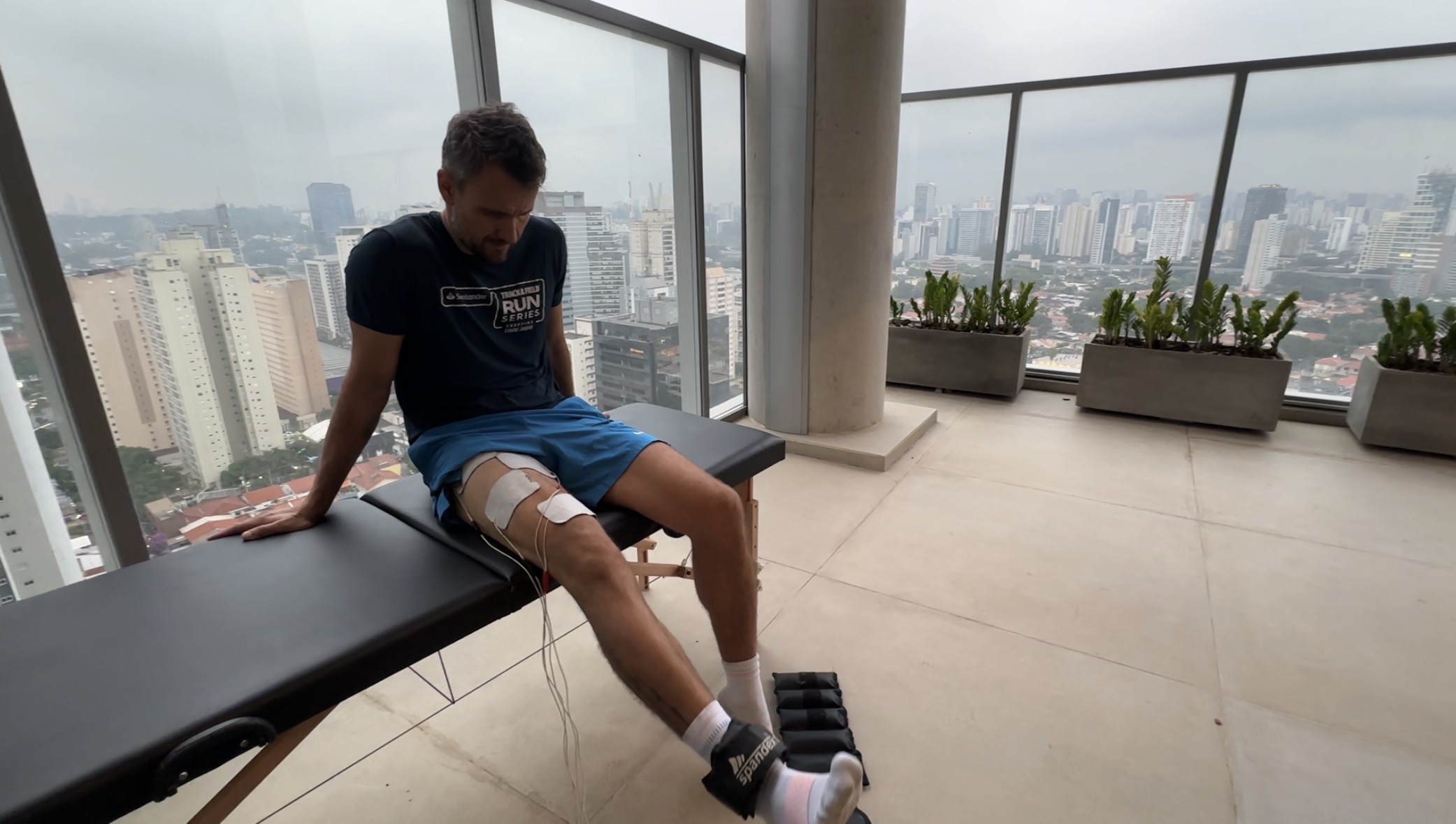
In the evening, I met Cleyber for physiotherapy. The session was tough. Frustration hit hard during the exercises. The patellar pain was strong and didn’t let me push the way I wanted. Mentally, I felt like I was going backwards.
Cleyber tried to ground me. He reminded me that just last week I couldn’t even squat, and now I can. I didn’t feel that progress, but he could see it.
We started in the gym with exercises using strong EMS. Then ankle weight movements with even stronger stimulation. Finally, flexion.
149 degrees.
Wow. I was expecting something closer to 144. Suddenly, the story in my head didn’t match reality. It wasn’t perfect, but it was far from bad.
I came back home lighter. Hope returned quietly. Kids, dinner, some work, and sleep.
Maybe there really is a light at the end of the tunnel.
Key Takeaways
- Progress doesn’t always feel good, sometimes it hides behind frustration.
- Numbers and objective markers matter when emotions distort perception.
- Pain during rehab doesn’t automatically mean regression.
- External perspective from a good physio can save you from your own doubts.
- Small wins like getting out of the car more easily are real wins.